
Car Engine Cooling System: How Does It Work?
Posted on December 22, 2025
Car Engine Cooling System: How Does It Work?
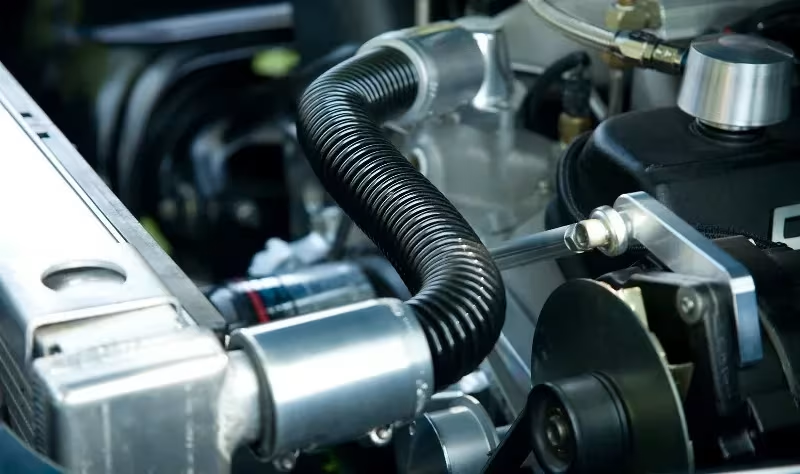
Engines generate a lot of heat while they’re running, and without the right system in place, that heat can cause serious damage. That’s where the cooling system steps in. Much like how athletes perform better when they avoid overheating, your car’s engine also needs to stay at an ideal temperature to keep running smoothly and efficiently.
By regulating the heat, the cooling system ensures your engine doesn’t get too hot or too cold, striking the perfect balance for performance and longevity. It helps every part of the engine work together seamlessly, so you get reliable power when you need it most.
In this post, we’ll take a closer look at how your car’s cooling system works and why it’s so important for your vehicle’s health.
What is an Engine Cooling System in a Car?

A cooling system is what keeps your car’s engine from overheating while it’s running. Every time fuel ignites inside the engine cylinders, it creates thousands of small explosions per minute, which produce a massive amount of heat.
Without a way to control this heat, the engine would fail in just a few minutes. That’s why the cooling system is so important; it regulates temperature so your engine can keep running safely and efficiently.
The system works by circulating liquid coolant through the engine to absorb heat, then sending it to the radiator, where it’s cooled by air flowing through the grille before cycling back again.
This process keeps the engine at the right operating temperature, whether you’re driving on a hot summer day or in freezing winter conditions. If the engine runs too cold, fuel efficiency drops, and emissions go up. If it gets too hot, serious damage can occur.
Why Do Car Engines Need a Cooling System?
Car engines generate intense heat every time they run, and without a proper cooling system, that heat would quickly cause serious damage. The cooling system isn’t just about keeping temperatures down—it plays several key roles that keep your vehicle performing at its best:
- Prevents Overheating: Regulates the engine’s temperature so it doesn’t get too hot, protecting against damage and breakdowns.
- Improves Efficiency: Keeps the engine running at its ideal operating temperature, which helps improve fuel economy and overall performance.
- Reduces Repair Costs: By controlling heat and pressure, the cooling system can catch small issues early before they turn into costly repairs.
- Extends Engine Life: Prevents excessive wear and tear, ensuring your engine lasts longer and stays reliable.
- Maintains Balance in Any Weather: Whether it’s a hot summer day or freezing winter, the system keeps the engine temperature steady for smooth operation.
In short, the cooling system is essential for performance, reliability, and protecting your investment in your vehicle.
Main Components of a Car Cooling System
A car’s cooling system is made up of several important parts that work together to manage engine heat. Think of it like a well-coordinated team, each component has a unique role that keeps the engine running smoothly and at the right temperature.
1. Radiator
Think of the radiator as the engine’s heat exchanger. Hot coolant flows into the radiator, where air passing through its thin metal fins helps cool it down before it cycles back into the engine.

2. Radiator Cooling Fans
These fans act like extra helpers for the radiator. When the car is moving slowly or sitting in traffic, the fans pull air through the radiator to keep the coolant cool, even without strong airflow from driving speed.

3. Pressure Cap & Reserve Tank
The pressure cap works like a safety valve. It maintains the correct pressure in the cooling system, which helps raise the boiling point of the coolant. Excess coolant flows into the reserve tank, then returns when the engine cools down, keeping everything balanced.

4. Water Pump
The water pump is the heart of the cooling system, constantly circulating coolant through the engine, radiator, and hoses. Without it, the coolant wouldn’t move, and the engine would overheat quickly.

5. Thermostat
The thermostat acts as the temperature gatekeeper. It stays closed when the engine is cold to help it warm up faster, then opens once it reaches the right temperature to let coolant flow through the radiator.

6. Coolant & Hoses
Coolant is the lifeblood of the system, carrying heat away from the engine, while hoses serve as the arteries and veins, moving coolant between all the major parts.

7. Bypass System
The bypass system acts like a shortcut route for coolant, allowing it to circulate through the engine even before the thermostat opens. This helps the engine warm up quickly and evenly, much like a detour road that keeps traffic moving when the main highway isn’t open yet.

8. Freeze Plugs
Freeze plugs are safety valves built into the engine block. They’re designed to pop out if coolant ever freezes, preventing the engine block from cracking. Think of them as the “pressure release buttons” that protect the engine from extreme cold.

9. Head Gaskets & Intake Manifold Gaskets
These gaskets are like the seals on food containers—they keep the coolant and engine oil in their proper places, preventing leaks and cross-contamination. Without them, the system wouldn’t be able to maintain pressure or efficiency.

10. Heater Core
The heater core works like a mini radiator inside your car’s cabin. It uses hot coolant from the engine to provide warm air through your vents, keeping you comfortable in the winter while still helping regulate engine temperature.
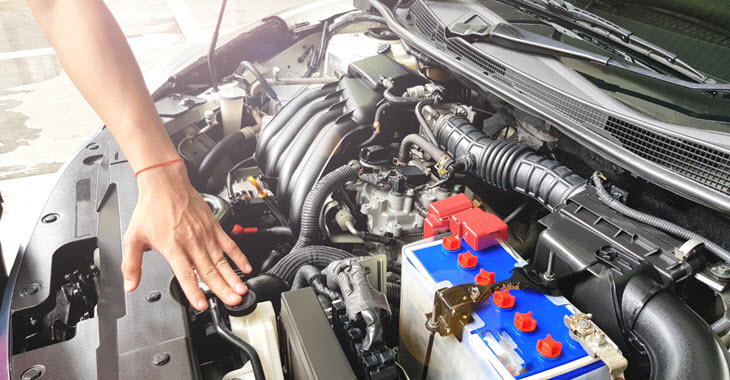
11. Hoses
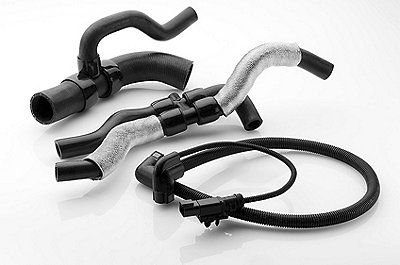
Hoses are the veins of the cooling system, carrying coolant between the engine, radiator, and heater core. They may look simple, but without them, the coolant wouldn’t be able to travel where it’s needed—just like blood can’t reach vital organs without veins.

How the Cooling System Works
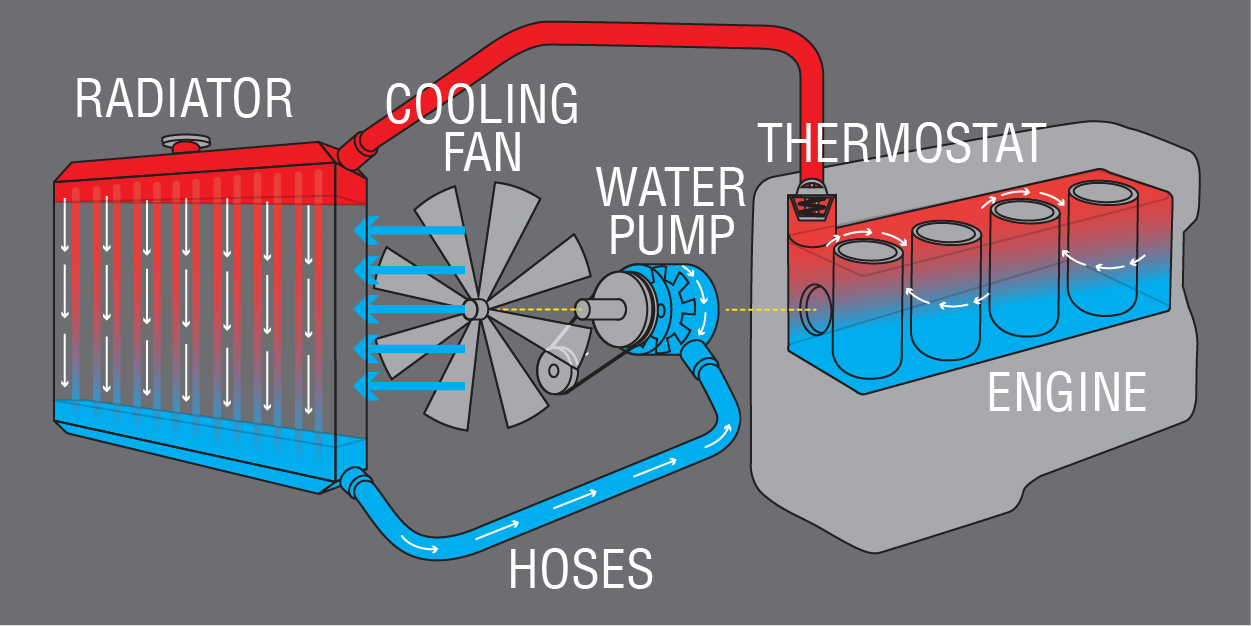
The cooling system has a smart way of managing your engine’s temperature; it actually helps the engine warm up quickly when it’s cold and keeps it from overheating when it’s hot.
When the engine is cold:
A cold engine isn’t efficient because fuel doesn’t burn properly, and the oil is too thick to lubricate moving parts well. To fix this, the water pump pushes coolant through the engine block and back to the pump without sending it to the radiator yet.
A thermostat (like a temperature-sensitive gate) stays closed, keeping the coolant circulating inside the engine. This helps the engine warm up faster and reach the right temperature for smooth, efficient operation.
When the engine is hot:
Once the coolant reaches around 90°C, the thermostat opens. This allows the hot coolant to flow into the radiator through the upper hose. There, air passing through the grille cools it down before sending it back to the engine.
A sensor also monitors the temperature and sends signals to the car’s computer, which adjusts fuel and ignition for maximum efficiency.
In modern cars, the thermostat and sensors are controlled electronically for even more precise temperature management, helping improve performance, reduce emissions, and protect the engine from damage.
2 Types of Car Engine Cooling
Engines need an efficient way to manage heat, and there are two main methods used in vehicles: air cooling and liquid cooling.
Air Cooling

Air cooling relies on air moving over the engine to carry away heat. This is often done with metal fins and cylinders that increase surface area, allowing the heat to escape more easily. Air-cooled engines are lightweight and mechanically simple, which is why they were common in older cars and motorcycles.
However, because air doesn’t absorb heat as effectively as liquid, these systems require large surfaces and strong fans to keep temperatures in check.
Liquid Cooling

Liquid cooling is the standard in modern vehicles. In this system, a liquid coolant flows through channels around the engine’s hottest parts, absorbing the heat and carrying it to the radiator. There, the coolant releases the heat into the air before cycling back through the engine.
Liquid cooling is more efficient than air cooling because coolant can hold and transfer more heat, allowing engines to run smoothly with less airflow and more compact designs.
8 Cooling System Parts You Should Check Regularly
Your car’s cooling system is made up of several important parts that all work together to keep your engine at the right temperature. Checking them regularly helps prevent breakdowns, costly repairs, and overheating.
Here are the key components to keep an eye on:
1. Accessory Belts Drive the Cooling System
Accessory belts power the water pump and other vital components. If they’re worn or loose, the cooling system won’t work properly. Regular inspection ensures the belts don’t snap unexpectedly.
2 . The Water Pump Pushes Coolant Through the System
The water pump acts like the heart of the cooling system, circulating coolant throughout the engine and radiator. A failing pump can cause the engine to overheat quickly.
3 . The Heater Core Helps Adjust Cabin Air Temperatures
The heater core not only warms your cabin in cold weather but also helps remove extra heat from the engine. Keeping it clean and leak-free is key to comfort and safety.
4 . Heater and Radiator Hoses Carry Coolant Through the System
Hoses act like veins, carrying coolant between the engine, heater core, and radiator. Over time, they can crack, leak, or swell, so regular checks are essential.
5. Cooling Fans Move Air Past the Radiator to Prevent Overheating
Cooling fans provide extra airflow when your vehicle isn’t moving fast enough, like in traffic. A faulty fan can quickly lead to overheating in stop-and-go driving.
6. Thermostat Measures Coolant Temperature Before It Returns to the Radiator
The thermostat acts like a gate, controlling when coolant flows to the radiator. If it sticks open or closed, your engine may run too cold or too hot.
7. The Radiator Exchanges Coolant Heat with Outside Air
The radiator is the main heat exchanger, releasing heat from the coolant into the outside air. Keeping it clean and free of blockages helps it do its job effectively.
8. The Radiator Cap Allows for Easy Filling
The radiator cap seals the cooling system under pressure, helping prevent boiling and coolant loss. It also provides an access point for topping up coolant when needed.
By regularly checking these parts, you’ll keep your cooling system running smoothly and your engine protected from heat-related damage.
Common Cooling System Problems
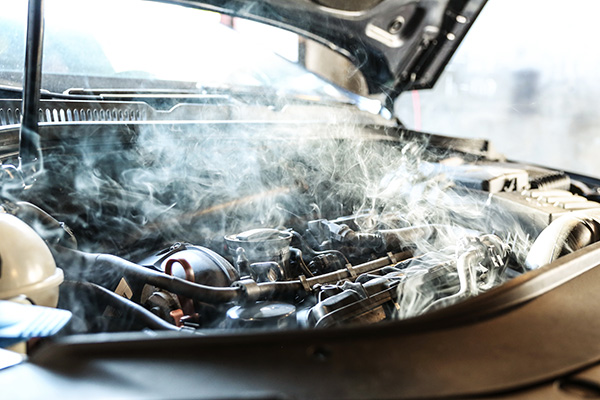
Like any other part of your car, the cooling system can run into issues over time. Knowing the most common problems and their warning signs can help you prevent serious engine damage.
Here are the key ones to look out for:
Overheating Engine
An overheating engine is one of the clearest signs of cooling system trouble. It can be caused by low coolant, a stuck thermostat, a faulty fan, or even a clogged radiator. Ignoring it can lead to warped engine parts or total engine failure.
Coolant Leaks: How to Locate and Repair
Coolant leaks often leave bright green, orange, or pink puddles under your car. They can come from cracked hoses, a loose radiator cap, or worn gaskets. Regularly checking for drips and topping up coolant can prevent bigger issues, but major leaks should be repaired right away.
Radiator Issues: Damage and Blockages
The radiator is responsible for transferring heat out of the coolant. Damage from road debris or blockages caused by rust and dirt can stop it from working effectively. Flushing the radiator and checking for cracks or bent fins can help avoid costly replacements.
Thermostat Failure: Symptoms and Replacement
A thermostat that sticks open keeps the engine too cold, while one that sticks closed causes overheating. Signs include fluctuating temperatures, poor fuel efficiency, and inconsistent cabin heat. Luckily, thermostats are relatively inexpensive to replace.
Water Pump Failure: Signs and Repair
The water pump is the “heart” of the cooling system, pushing coolant through the engine. If it fails, coolant circulation stops, leading to overheating. Watch for leaks near the pump, whining noises, or steam coming from under the hood. Replacement is often the only fix.
Fan Malfunctions: Electrical and Mechanical Issues
Cooling fans help regulate temperature when the car isn’t moving fast enough. If they fail due to electrical wiring issues, bad sensors, or a broken motor, the engine may overheat in traffic. Regular inspection ensures they spin properly when needed.
By keeping an eye on these common issues, you can catch cooling system problems early and avoid expensive repairs down the road.
Maintenance Tips for a Healthy Cooling System
Taking care of your car’s cooling system is one of the smartest ways to protect your engine and avoid expensive repairs. Since the system works hard every time you drive, routine maintenance helps ensure it runs efficiently in all conditions.
Here are some important tips to keep in mind:
Check Coolant Levels Regularly
Coolant is the lifeblood of the system. If it runs low, your engine can overheat within minutes. Check the reservoir at least once a month and top it up if needed. Always use the type of coolant recommended in your car’s manual and never mix different kinds.
Flush the Cooling System Periodically
Coolant loses its protective qualities over time, becoming less effective at controlling temperature and preventing corrosion. Flushing the system every 2–3 years (or as specified in your owner’s manual) removes dirt, rust, and scale buildup, keeping everything flowing smoothly.
Inspect Hoses and Belts
Hoses carry coolant between the engine, radiator, and heater core, while belts drive essential parts like the water pump. If they crack, swell, or loosen, the system won’t function properly. Inspect them regularly and replace any that show signs of wear before they fail.
Test the Radiator Cap
The radiator cap maintains pressure in the cooling system, which helps prevent boiling and keeps coolant circulating effectively. A weak or damaged cap can cause leaks and overheating. Make sure the cap is sealing tightly, and replace it if it looks worn or damaged.
Monitor the Thermostat and Temperature Gauge
Your thermostat regulates when coolant flows to the radiator. If it gets stuck, your engine can either run too cold (hurting fuel efficiency) or too hot (risking serious damage). Keep an eye on your dashboard gauge—unusual fluctuations may mean the thermostat needs attention.
Check the Water Pump
The water pump is what keeps coolant moving. If it starts to fail, you might notice leaks, squeaking or grinding noises, or even steam from under the hood. Because the pump is critical to the system, it should be inspected during routine service and replaced at the first signs of trouble.
Clean the Radiator and Fans
A dirty radiator or faulty fan can stop heat from escaping properly. Clear away leaves, bugs, and dirt from the radiator, and ensure the fans switch on when the engine gets hot. This is especially important in hot weather or heavy traffic, where airflow is limited.
By following these maintenance steps, you’ll help your cooling system run at peak efficiency, protect your engine from overheating, and extend the overall lifespan of your vehicle.
Keep Your Engine Cool; Book a Service with CarHub Today
Your car’s cooling system may not be the most exciting part of your vehicle, but it’s one of the most important. Keeping your engine at the right temperature, it ensures smooth performance, better fuel efficiency, and a longer engine life.
Regular maintenance (like checking coolant levels, inspecting hoses, and cleaning the radiator) can save you from costly repairs and unexpected breakdowns.
At CarHub, we make it easy to keep your cooling system and the rest of your vehicle in top shape. From routine maintenance and inspections to expert repairs, our excellent auto care service is here to help you drive with confidence.
Book your next service appointment with CarHub and keep your car running cool, efficient, and worry-free.