
Car Idling: How Long Is Too Long and What Are the Effects?
Posted on December 23, 2025
Car Idling: How Long Is Too Long and What Are the Effects?
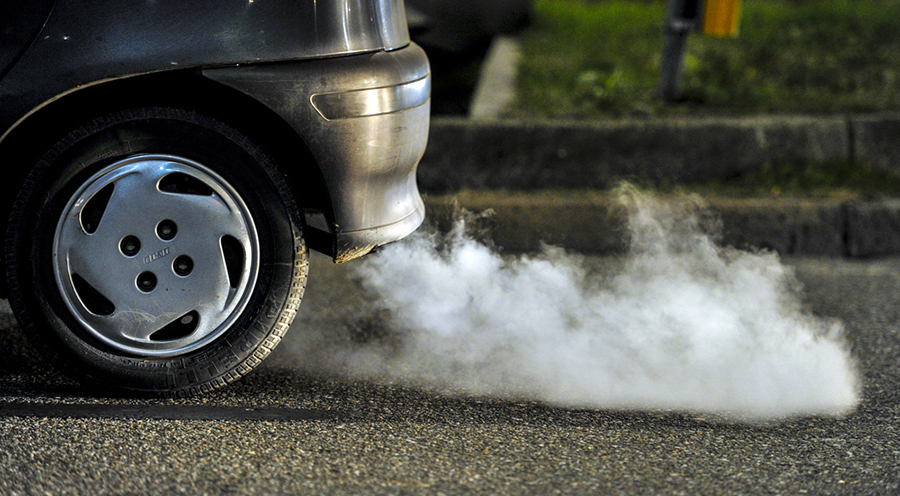
When your vehicle’s engine is running, but you’re not driving, that’s called idling. It might not seem like a big deal (maybe you’re waiting for someone, warming up the car, or sitting in traffic), but letting your engine run too long can have more consequences than you think.
Prolonged engine idling wastes fuel, adds unnecessary wear to your engine, and contributes to air pollution. For fleet operators, the impact is even greater, leading to higher costs and maintenance needs. In this guide, we’ll explore how long is too long for idling, what effects it has on your vehicle and the environment, and what you can do to reduce it.
What Does Idling Mean?
Idling happens when your car engine is running, but the vehicle isn’t moving. It’s a common situation, like when you’re waiting in a drive-thru, stop at a long red light, or warm up your car on a cold morning. In these moments, the engine continues to burn fuel even though you’re not going anywhere.
Drivers often let their cars idle for comfort or convenience, such as keeping the heater or air conditioner on, or prevent frequent restarting of the engine. In diesel vehicles, short periods of idling can help manage exhaust fumes or keep the engine at an optimal temperature.
However, unnecessary or prolonged idling can lead to wasted fuel, more wear and tear, and increased emissions.
How Long Can a Car Idle?
How long a car can safely idle depends on several factors, including the vehicle’s condition, the engine type, and how much fuel or battery power you have left. While most modern cars can technically idle for hours, it’s not always a good idea.
Prolonged idling can lead to mechanical wear, wasted fuel, and negative environmental effects. Here’s a closer look at what influences safe idling time:
1. Overall Vehicle Condition
A well-maintained engine can handle short periods of idling without issue, but older or poorly maintained vehicles may overheat or develop carbon buildup over time. Regular oil changes and cooling system maintenance help reduce the risks associated with extended idling.
2. Amount of Fuel or Gas
Idling burns fuel even when you’re not moving. Depending on your engine size, idling can consume up to half a gallon of fuel per hour. If your tank is low, long idling could leave you stranded—especially if you’re running the air conditioner or heater.
3. Battery Drain
When the engine idles, the alternator produces less power than when you’re driving. This can cause the battery to slowly discharge, particularly if you’re using lights, the radio, or climate control systems. Over time, this can shorten your battery’s lifespan.
4. Environmental Impact
Excessive idling releases unnecessary emissions that contribute to air pollution and greenhouse gases. Even a few minutes of idling can produce more emissions than restarting your car. Reducing idle time not only protects your vehicle but also helps the environment.
How Much Fuel is Consumed During Idling?

You might be surprised at how much fuel idling actually uses. An idling engine can burn roughly 0.25 gallons of fuel every 10 minutes (or about 1.5 gallons per hour), depending on the engine size and type.
That might not sound like much at first, but those minutes add up fast, especially for commercial fleets or drivers who idle frequently throughout the day.
For fleet operators, even a small amount of daily idling can lead to big costs. For instance, a fleet of 50 vehicles idling just one hour a day could waste tens of thousands of dollars in fuel every year.
Many drivers underestimate their idle time, thinking it’s only “a few minutes,” but in reality, it often adds up to hours over the course of the week. The best way to uncover this hidden expense is through accurate tracking, using fleet management systems to monitor idle time, fuel usage, and overall efficiency.
What Are the Downsides of Idling?
Letting your vehicle idle might seem harmless, but it comes with several hidden drawbacks that affect both the vehicle and those around it. From wasted fuel to added maintenance costs and environmental harm, prolonged idling can take a serious toll on your fleet’s performance and budget.
1. Fuel Consumption
Even when your vehicle isn’t moving, the engine still burns fuel. Depending on the engine type, idling can be used up to a gallon of fuel every hour, wasting money and lowering overall fuel efficiency. Over time, those costs can add up significantly for individuals and fleet operators alike.
2. Increased Maintenance
Idling causes unnecessary wear on engine components, leading to more frequent maintenance. The engine oil and spark plugs can deteriorate faster, and carbon buildup may occur, reducing performance and shortening the engine's lifespan.
3. Pollution
Every minute of idling releases emissions such as carbon dioxide, nitrogen oxides, and particulate matter. These pollutants contribute to smog, poor air quality, and climate change—making idling an environmental concern as well as a mechanical one.
4. Driver Health
Extended exposure to exhaust fumes can pose health risks for drivers, especially in enclosed areas. Breathing in these pollutants can cause headaches, dizziness, or long-term respiratory issues, making reduced idling not just a vehicle choice but a health-conscious one.
5. Exposes Fleets to Theft
Leaving vehicles unattended can increase the risk of theft. Opportunistic thieves can easily drive away with a running vehicle, especially if the keys are left inside. Turning off the engine when parked, even for short periods, helps keep your vehicles secure.
Is Idling Your Car Bad for Your Health?
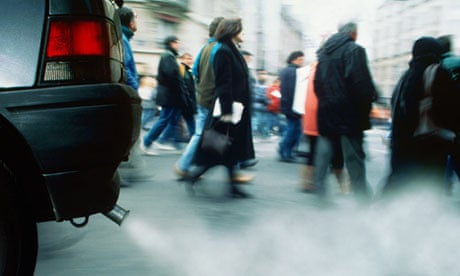
When you’re sitting in your car with the windows closed and the air conditioning on recirculation, you’re mostly protected from your own exhaust fumes. However, that doesn’t mean idling is harmless, especially to those nearby.
If you’re waiting outside a school or picking up passengers, the exhaust from your idling car releases toxic gases like carbon monoxide just centimeters away from people breathing it in. Children are particularly vulnerable to these fumes, which can cause headaches, nausea, and long-term respiratory issues.
Diesel engines pose an even bigger risk. Even with modern catalytic converters and particulate filters, diesel vehicles emit fine particulates and harmful gases that linger in the air. On still days or in areas without much ventilation, these pollutants can quickly build up.
In enclosed spaces, such as garages or underground parking lots, the danger increases dramatically. For safety’s sake, always turn off your engine once parked, especially in confined or poorly ventilated areas.
Best Practices to Minimize Idling
While a few minutes of idling may seem harmless, cutting down on unnecessary idling can make a big difference for your health, your wallet, and the environment. Adopting a few smart habits can help reduce fuel waste, lower emissions, and keep your vehicle running smoothly.
Here are some best practices to follow:
1. Turn Off the Engine
If you’re parked or waiting for more than 30 seconds, it’s best to switch off the engine. Modern vehicles don’t need long warm-up times, and restarting the car uses far less fuel than letting it idle. Turning the engine off also prevents harmful exhaust fumes from lingering, especially in busy areas or enclosed spaces.
2. Use Remote Starters Wisely
Remote starters are convenient, especially in cold or hot weather, but avoid letting the engine run for too long before driving. A minute or two is usually enough to warm up the engine and cabin. Driving gently for the first few minutes is more efficient than idling to reach the right temperature.
3. Regular Maintenance
Keeping your vehicle in top shape helps minimize unnecessary idling. Routine oil changes, air filter replacements, and proper tire pressure can improve fuel efficiency and reduce the strain on your engine. A well-maintained car runs cleaner, uses less fuel, and produces fewer emissions overall.
How Long Should Idling Last?
For most modern engines, idling should last no more than 30 seconds after startup. Anything beyond that wastes fuel, increases emissions, and causes unnecessary engine wear.
Despite this, many drivers continue to idle during breaks, while loading or unloading, or even overnight, adding up to hours of wasted engine time each week.
Here’s a quick look at the impact: a heavy-duty truck can burn about 0.8 gallons of fuel for every hour of idling. That means a single truck idling six hours a day could waste more than 2,000 gallons of fuel per year.
For a fleet of 50 trucks, that’s over $100,000 in lost fuel costs annually—not to mention higher maintenance expenses and greater environmental harm. Reducing idle time not only saves money but also extends engine life, improves air quality, and supports healthier working conditions for drivers and communities alike.
Keep Your Engine Healthy; Visit CarHub Automotive Today
Idling might seem harmless, but those extra minutes with the engine running can quietly waste fuel, increase maintenance costs, and harm the environment. By being mindful of how long your car idles (and cutting back when possible), you can save money, protect your engine, and do your part for cleaner air.
For expert maintenance and advice on keeping your car running at its best, visit CarHub. Our team provides an excellent auto care service to help your vehicle stay efficient, reliable, and ready for the road ahead.