
Cold Air Intake: What Does It Do for Your Car?
Posted on December 22, 2025
Cold Air Intake: What Does It Do for Your Car?
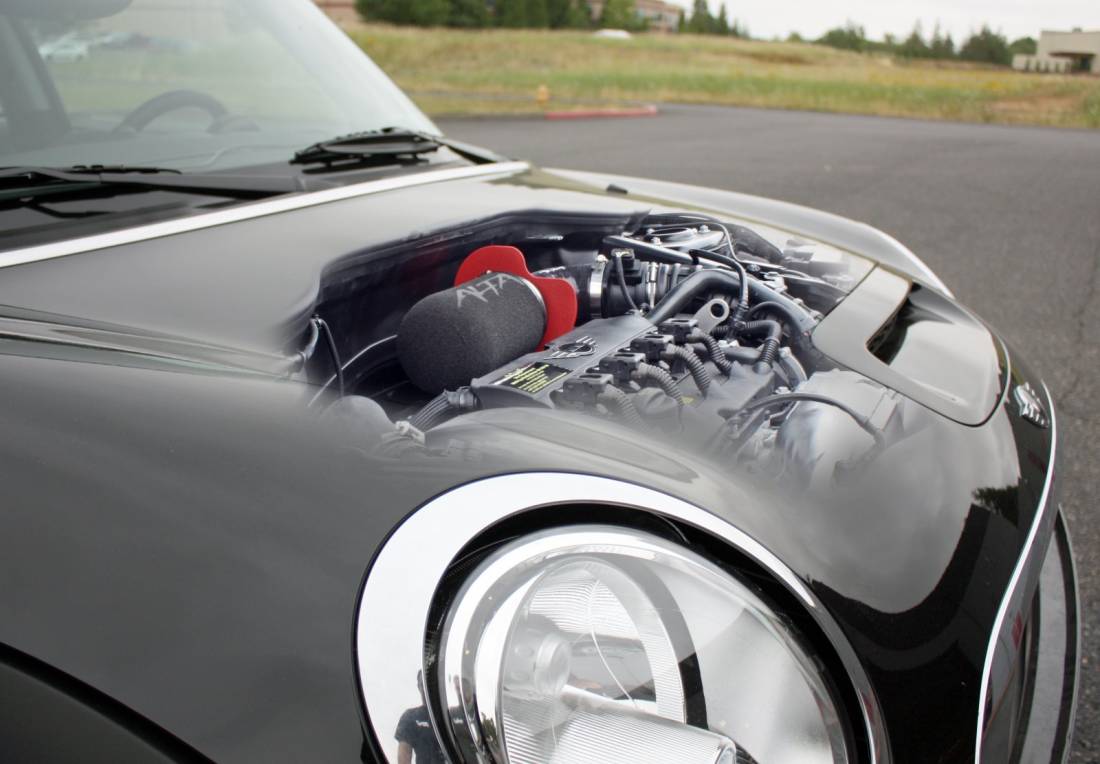
Ever wonder what a cold air intake really does for your car? You’ve probably heard enthusiasts talk about it like it’s one of the easiest upgrades you can make to boost performance, but what’s the big deal?
A cold air intake system is designed to pull cooler, denser air into your engine, giving it more oxygen to burn and helping your car run more efficiently. The result? More power, a throatier engine sound, and sometimes even better fuel economy, all from a relatively simple modification.
It’s like letting your car breathe better—cooler, cleaner air means stronger performance. Whether you want more speed, smoother rides, or better efficiency, a cold air intake can make a big difference. In this post, we’ll break down how it works and why so many drivers love it.
What is a Cold Air Intake System?
A cold air intake system is an upgrade to your car’s standard air intake, designed to help your engine perform better. Instead of pulling in hot air from under the hood like the stock system does, it draws in cooler, denser air from outside the engine bay.
Since cooler air carries more oxygen, it helps the combustion process, giving your engine more power and efficiency. On top of that, a cold air intake allows your engine to “breathe” more freely.
With wider intake tubes and smoother airflow, your engine gets a stronger, more consistent stream of air compared to the restricted stock system. The result is better performance, a more responsive feel, and a driving experience that makes every ride more exciting.
How a Cold Air Intake Works?
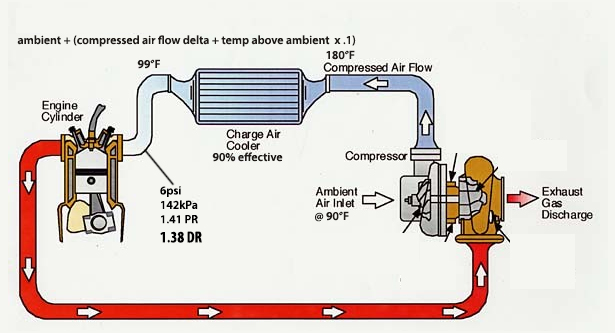
A cold air intake works by replacing your car’s stock intake system, which usually pulls in hot air from under the hood, with a setup that draws in cooler air from outside the engine bay.
Cooler air is denser and carries more oxygen, and when it reaches your engine’s combustion chamber, it helps create a stronger, more efficient burn. This means more power and better overall performance for your ride.
The system also improves airflow by using wider, smoother intake tubes that reduce restrictions. With this upgrade, your engine gets a steady flow of cold, oxygen-rich air that the stock system can’t match. The result is an engine that breathes easier, responds quicker, and delivers a more enjoyable driving experience.
Why Is Cold Air So Important to Engine Performance?
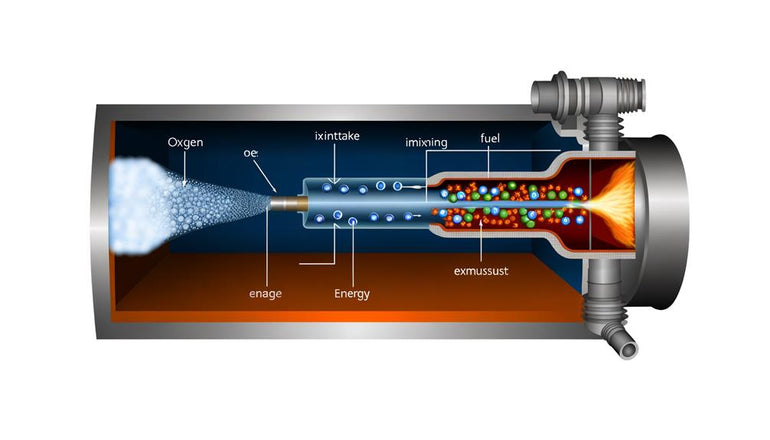
Your engine relies on the perfect mix of air and fuel to create power, and cold air plays a big role in making that happen. Here’s why it matters:
More Oxygen, More Power
Cool air is denser, which means it’s packed with more oxygen. More oxygen in the combustion chamber leads to a stronger burn and extra horsepower.
Balanced Air-to-Fuel Ratio
For efficient combustion, your engine needs about 15 parts air for every 1 part fuel. Cold air helps maintain this ratio, allowing your engine to run smoother and more efficiently.
Stronger Combustion
With oxygen-rich air, the spark plug ignites a more powerful explosion inside the cylinder. This pushes the pistons down with greater force, giving your car more performance and responsiveness.
Better Engine Health
Consistent, cooler airflow reduces strain on the engine, keeping it healthier and more efficient in the long run.
In short, cold air helps your engine breathe better, burn fuel more effectively, and deliver the performance boost every driver wants.
Main Parts of Common Intake Systems
A car’s intake system is made up of several key components that work together to deliver air to your engine. Here are the main parts you’ll usually find:
Air Filter
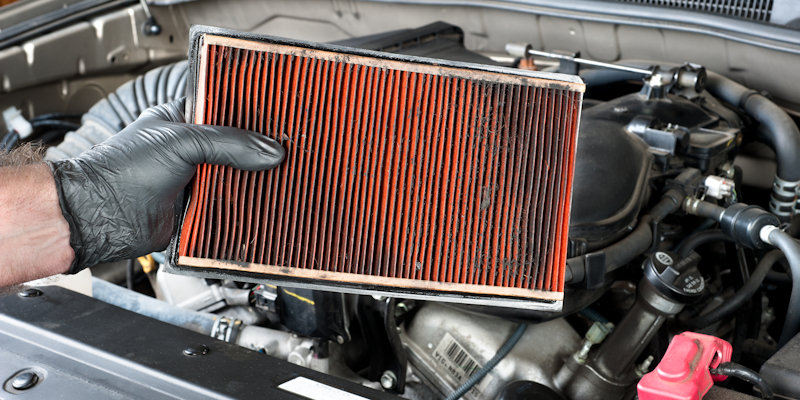
The air filter is the first line of defense in your intake system. It blocks dirt, dust, and debris from entering your engine while still allowing air to flow through. A clean filter ensures that only fresh, contaminant-free air reaches the combustion chamber.
Mass Flow Sensor

Also called the MAF sensor, this part measures how much air is coming through the intake. It sends that information to your car’s computer, which then adjusts the amount of fuel injected. This balance is crucial for keeping your engine efficient and responsive.
Throttle Body
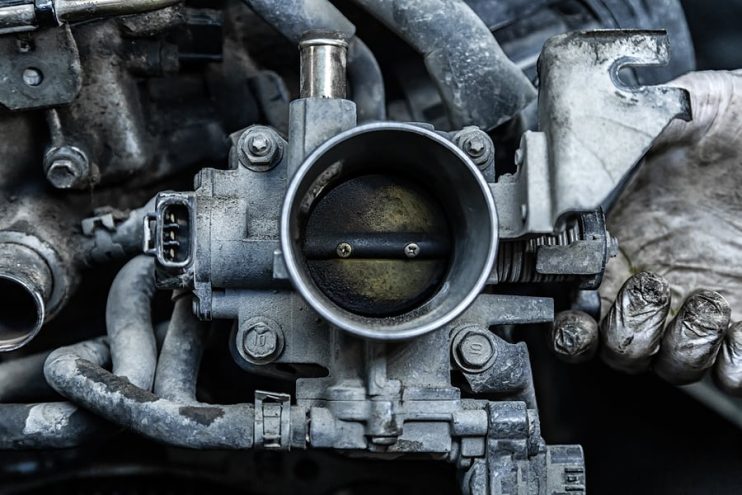
The throttle body controls how much air enters the engine. When you press the gas pedal, the throttle plate opens to let in more air, giving your engine the oxygen it needs to burn more fuel and create more power. It’s essentially the gatekeeper for airflow in your system.
Together, these parts make sure your engine gets the right amount of clean, oxygen-rich air for smooth and powerful performance.
Benefits (Pros) of Installing a Cold Air Intake
Upgrading to a cold air intake comes with several noticeable benefits that can improve both your car’s performance and your overall driving experience. Here are the main advantages:
Feeds the Engine Oxygen-Dense Air
A cold air intake pulls in cooler air from outside the engine bay. Since cold air is denser and packed with more oxygen, it gives your engine the rich airflow it needs for stronger combustion and better performance.
Improves Airflow Over the Stock Intake
Factory intake systems can be restrictive, limiting how much air reaches your engine. Cold air intakes use wider, smoother tubes that allow air to flow more freely, helping your engine breathe easier and perform more efficiently.
Boosts Horsepower and Fuel Efficiency
Because the engine is getting more oxygen and smoother airflow, combustion becomes more efficient. This can result in extra horsepower and, in some cases, better fuel economy since your engine doesn’t need to work as hard.
Improves Throttle Response
With fewer restrictions and more air available, your engine reacts faster when you press the gas pedal. This improved throttle response makes your car feel more responsive and enjoyable to drive.
Makes Your Intake Louder
Another noticeable change is the sound. Cold air intakes often give your engine a deeper, throatier growl, especially when accelerating. For many drivers, this adds to the sporty feel of the upgrade.
Dresses Up Your Engine Bay
Beyond performance, cold air intakes also enhance the look under the hood. With polished tubes, sleek filters, and modern designs, they give your engine bay a clean, customized appearance.
Drawbacks (Cons) & Considerations
Cold air intake can deliver real performance gains, but they’re not without their trade-offs. Here are a few things to keep in mind before upgrading:
Higher Cost
Because of their longer tubing and more advanced design, cold air intake typically costs more than standard stock systems.
More Complex Installation
Unlike a quick drop-in air filter, installing a cold air intake can be tricky. It often requires tools, extra time, and in some cases, professional installation.
Risk of Water Ingestion (Hydrolock)
The biggest risk comes from the filter’s placement. Since it usually sits lower in the engine bay to pull in cooler air, it’s also closer to water and debris. Driving through deep puddles or heavy rain could cause water to enter the intake, potentially leading to hydrolock—a serious and costly engine problem.
Potential Sensor Issues
If not installed properly, a cold air intake can interfere with sensors, triggering a check engine light or reducing performance.
Louder Sound
Many drivers enjoy the deeper, throatier sound that comes with a cold air intake, but others may find it too loud or intrusive for everyday driving.
Bottom line: a cold air intake can enhance performance and driving feel, but it’s important to consider the costs, installation challenges, and potential risks before making the switch.
Are Cold Air Intakes Worth It?
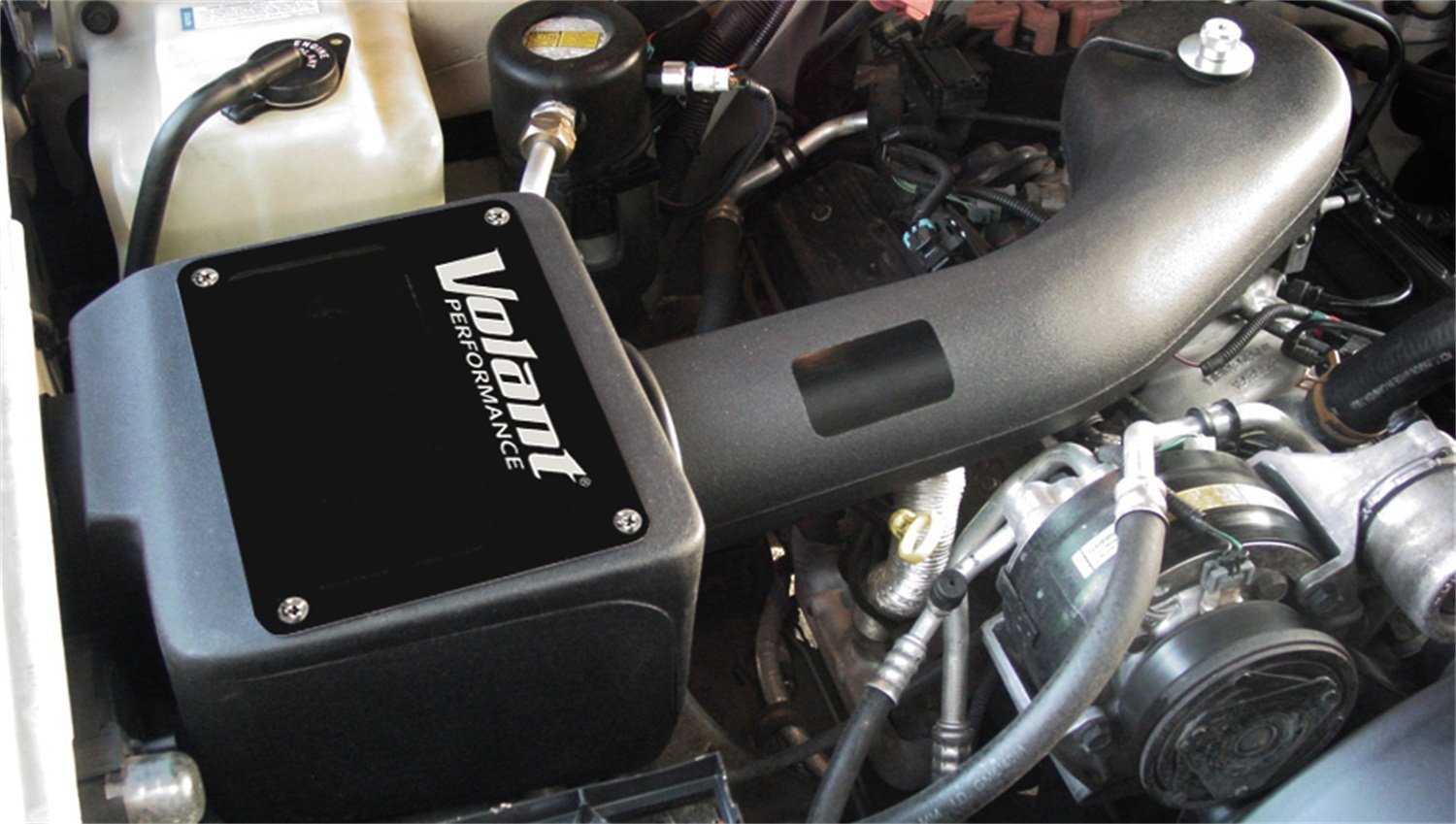
A cold air intake can make a real difference in how your car performs. By bringing in cooler, oxygen-rich air, it helps your engine produce more power, especially when you push the throttle wide open.
Some systems claim gains of 5 to 20 horsepower, and while results vary, most drivers notice a stronger, more responsive feel. Pairing a cold air intake with other upgrades, like a performance exhaust, can amplify those benefits even more, creating a more efficient overall system.
That said, there are a few things to keep in mind. An exposed filter can pull in water if you drive through deep puddles, which could cause serious engine damage. Some newer cars may also have warranty restrictions or be more sensitive to aftermarket changes.
If you decide to install one, make sure you check your vehicle’s warranty and consider adding a bypass valve for extra protection. For many drivers, the trade-off is worth it—better airflow, a throatier sound, and a few extra horsepower can make your ride more exciting and enjoyable.
Are Cold Air Intakes Good for Your Car?
A cold air intake might seem like a small upgrade, but it can make a big difference in how your car feels and performs. From giving your engine cooler, oxygen-rich air to boosting horsepower, improving throttle response, and even adding a sportier sound, it’s a popular choice for drivers who want more out of their ride.
If you’re thinking about upgrading or want expert advice on whether a cold air intake is right for your car, CarHub is here to help. Our team can guide you through your options and make sure you get the setup that fits your vehicle best.
Visit CarHub today and take the first step toward unlocking better performance and a more exciting drive.