
Engine Water Pump: Everything Your Need to Know
Posted on December 23, 2025
Engine Water Pump: Everything You Need to Know

Your car’s engine water pump is a small but powerful part that keeps your engine cool and running smoothly. It pushes coolant from the radiator through the engine and back again, preventing overheating and serious damage.
When the water pump starts to wear out, your engine’s temperature can rise quickly, and that can lead to costly repairs. Knowing how your water pump works and spotting the signs of trouble early can help you avoid major headaches down the road.
In this post, we’ll break down everything you need to know about engine water pumps, from what they do to how to tell when it’s time for a replacement.
What is a Water Pump on a Car?
A water pump is an essential part of your car’s cooling system, designed to keep your engine from overheating. Its main job is to circulate coolant from the radiator through the engine and back again, ensuring that heat is carried away efficiently.
Usually located at the front of the engine block, the water pump is driven by the engine’s belt system (often the serpentine or timing belt), which allows it to operate whenever the engine is running.
Because the water pump constantly moves coolant, it helps your engine maintain the right temperature for peak performance. If it stops working properly, the coolant can’t circulate, causing the engine to overheat quickly.
In severe cases, this can lead to engine damage or even complete engine failure. That’s why keeping your water pump in good condition is a key part of regular vehicle maintenance.
Functions of a Water Pump
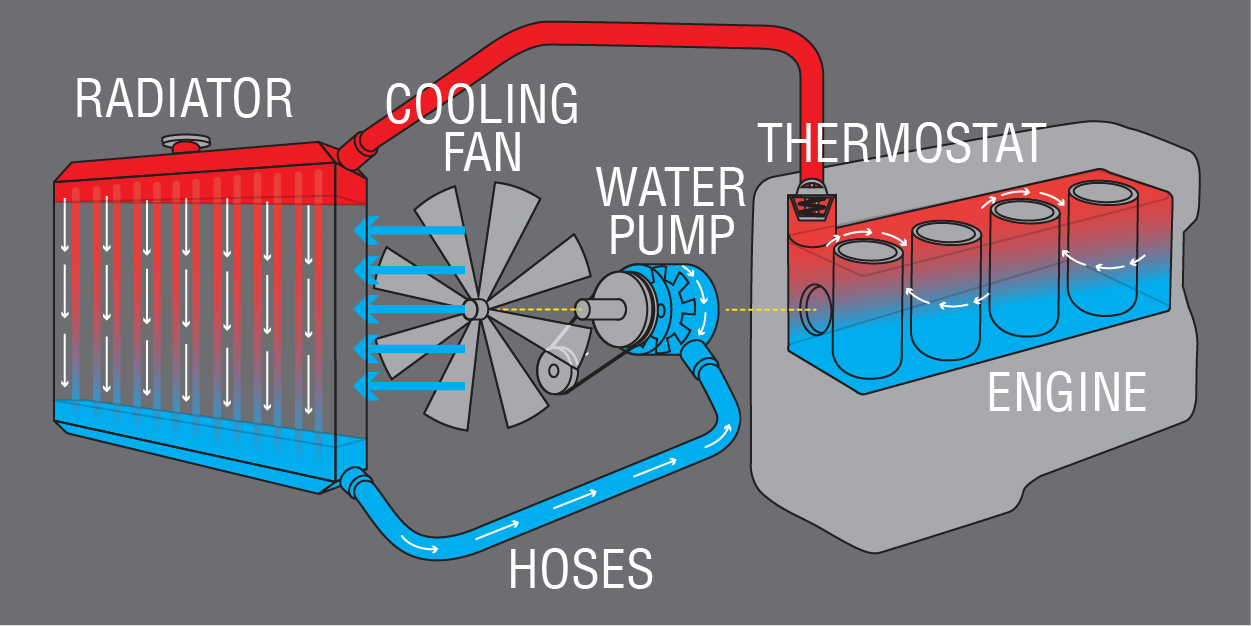
The water pump is the heart of your car’s cooling system, working nonstop to keep your engine at the right temperature. Without it, your engine would quickly overheat and stop functioning properly.
Here are the key functions that make the water pump so important:
1. Circulates Coolant Through the Engine
The main job of the water pump is to move coolant from the radiator through the engine block and back again. This constant flow helps absorb and carry away the heat generated during combustion, keeping the engine from overheating.
2. Maintains Optimal Engine Temperature
Working together with the thermostat and radiator, the water pump ensures that the engine reaches and maintains its ideal operating temperature. This balance allows your engine to perform efficiently under different driving conditions.
3. Supports Combustion Efficiency
By managing heat effectively, the water pump helps the engine maintain a steady temperature, allowing fuel to burn more efficiently. This not only boosts performance but can also improve fuel economy.
4. Protects Engine Components
An overheated engine can cause serious damage to parts like gaskets, pistons, and cylinders. The water pump prevents this by ensuring even heat distribution throughout the engine, protecting its internal components, and extending its lifespan.
Overall, the water pump plays a vital role in keeping your engine healthy, efficient, and long-lasting. Regular maintenance ensures that this crucial component continues doing its job effectively.
The Relationship Between the Water Pump and the Engine 
The water pump and the engine work closely together to keep your car running smoothly. As the engine runs, it creates heat from combustion. The water pump helps control this heat by circulating the coolant through the engine and radiator, preventing it from overheating.
Without the pump, the engine wouldn’t be able to cool down properly, which could lead to serious damage. Because the water pump is powered by the engine belt, it speeds up as the engine works harder. This means it pumps coolant faster when more cooling is needed.
If the water pump stops working, the engine can quickly overheat and fail. That’s why you must keep your water pump in good shape to protect your engine and ensure reliable performance.
Different Types of Water Pumps
Not all water pumps are the same — different engines use different types depending on their design and cooling needs. Here are some of the most common types of water pumps used in vehicles:
1. Centrifugal Water Pumps
Centrifugal water pumps are the most common type found in cars today. They use a rotating impeller to create a centrifugal force that pushes coolant through the engine and radiator. These pumps are simple, reliable, and effective for most standard engines.
2. Gear Water Pumps 
Gear water pumps use interlocking gears to move coolant through the system. As the gears rotate, they trap and push the coolant along. These pumps are often found in heavy-duty or high-performance engines that need a steady and powerful coolant flow.
3. Impeller Water Pumps 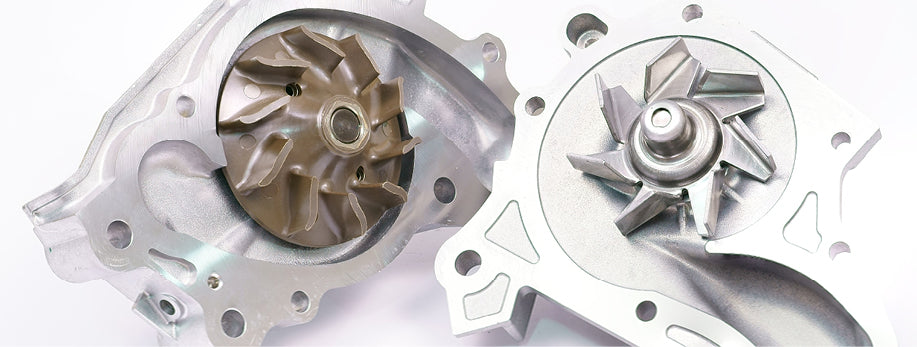
Impeller water pumps work by spinning an impeller inside a housing, forcing coolant to move through the engine. The impeller design can vary, but the principle remains the same — to keep coolant flowing efficiently and prevent heat buildup in the engine.
4. Vane Water Pumps
Vane water pumps use a set of sliding vanes inside a rotating drum to move coolant. This design allows for smoother, more consistent coolant flow and can better adjust to changes in engine speed. They are less common in modern cars but still used in some specialized applications.
5. Turbine Water Pumps
Turbine water pumps use blades similar to those in a jet turbine to move coolant. They are designed for high efficiency and are often used in advanced or high-performance engines where precise cooling control is required.
What are the Causes of Water Pump Failure?

A water pump is built to last for many years, but like any other engine component, it can wear out over time. Understanding the common causes of water pump failure can help you spot issues early and avoid costly engine repairs. Here are the most frequent reasons a water pump might fail:
1. Leakage from the Weep Hole
The weep hole allows coolant or oil to drain safely when the internal seals start to wear. A small amount of leakage is normal, but constant or heavy leaking from this hole means the internal seal has failed, and the pump needs replacement.
2. Leakage from the Mounting Surface
Coolant leaks from the mounting surface often happen when the gasket between the water pump and the engine block becomes damaged or improperly installed. This can lead to coolant loss, overheating, and corrosion around the pump area.
3. Presence of Corrosion and Rust
Coolant that hasn’t been replaced or maintained properly can become acidic and cause rust inside the water pump. Corrosion weakens the metal surfaces, damages seals, and can eventually cause the pump to seize or leak.
4. Build-up of Deposits
Over time, minerals and debris can build up inside the cooling system, especially if low-quality or old coolant is used. These deposits can block coolant flow, reduce efficiency, and put extra strain on the water pump.
5. Cavitation
Cavitation occurs when air bubbles form and collapse inside the cooling system, creating shockwaves that can damage the water pump’s impeller and housing. This often results from low coolant levels or a poorly functioning cooling system.
6. Damages to the Bearing
The bearings inside the water pump support the shaft and allow it to spin smoothly. If they wear out or become damaged due to belt tension or contamination, the pump can become noisy and eventually fail completely.
7. Damaged or Broken Shaft
A broken or bent shaft can occur from excessive belt tension, improper installation, or general wear and tear. When this happens, the impeller can no longer spin properly, leading to poor coolant circulation and engine overheating.
What Are the Symptoms of Failure of Car Water Pumps?
Recognizing the signs of a failing water pump early can save your engine from serious damage. Here are the most common symptoms to watch for:
1. Coolant Leak Present at the Front-Center of Your Vehicle
One of the first signs of a failing water pump is coolant leaking from the front-center area of your car. This usually indicates a worn seal or gasket, and ignoring it can lead to low coolant levels and engine overheating.
2. Rust, Deposit Build-up, and Corrosion of the Water Pump
Rust or mineral deposits on the water pump can signal internal wear or old coolant that has lost its protective properties. Corrosion weakens the pump and can cause leaks or reduce coolant flow.
3. Loose Water Pump Pulley Making Whining Sounds
A loose or worn-out pulley can create unusual whining or grinding noises. This often means the bearings inside the pump are failing and may lead to complete pump failure if not addressed promptly.
4. Engine is Overheating
If the water pump isn’t circulating coolant properly, the engine temperature will rise quickly. Consistently high temperatures or frequent overheating are strong indicators of water pump issues.
5. Steam Coming from the Car Radiator
Steam or smoke coming from the radiator is a clear warning that the engine is overheating. This can be caused by a failing water pump that is no longer moving coolant effectively, putting your engine at serious risk.
What Are the Steps of Changing My Car Water Pump?
Replacing a car’s water pump may seem daunting, but following the steps carefully can make the process straightforward. Here’s a general guide to help you understand how the replacement is done:
1. Cool the Engine
Turn off your vehicle and allow the engine to cool completely. Working on a hot engine can be dangerous and may cause burns.
2. Drain the Coolant
Locate the valve at the bottom of the radiator and open it to drain all the coolant into a suitable pan. Ensure the system is fully drained before moving on.
3. Loosen the Alternator and Remove Drive Belts
Loosen the alternator from its mounting brackets, then carefully remove the drive belts connected to the water pump.
4. Remove the Old Water Pump
Loosen and remove the engine pulley fans, disconnect all hoses attached to the pump, and unscrew all bolts holding the pump in place. Take out the old water pump carefully.
5. Inspect and Prepare
Check other cooling system parts such as hoses, pressure caps, and the thermostat. Replace old gaskets and seals, applying sealant if necessary—but only in the required amount. Wipe off any excess sealant.
6. Install the New Water Pump
Carefully position the new water pump, avoiding damage to the pump shaft. Tighten all bolts securely, reattach the hoses, and reinstall the drive belt in good condition.
7. Refill Coolant and Check for Leaks
Refill the system with the correct type and quantity of coolant for your vehicle. Perform a thorough visual inspection to ensure there are no leaks and that everything is functioning correctly.
How Often Should a Water Pump Be Replaced?
A car’s water pump doesn’t last forever. On average, most water pumps last between 96,500–161,000 km, but the exact lifespan can vary depending on your vehicle, driving conditions, and how well the cooling system has been maintained.
Regular maintenance, such as checking coolant levels and replacing old coolant, can help extend the pump’s life. If you notice any signs of a failing water pump (like leaks, overheating, or unusual noises), don’t wait.
Replacing a worn or damaged water pump promptly can prevent serious engine damage and save you from costly repairs down the road. Regular inspections and timely replacements are key to keeping your engine running safely and efficiently.
How Long Does It Take to Replace a Water Pump?
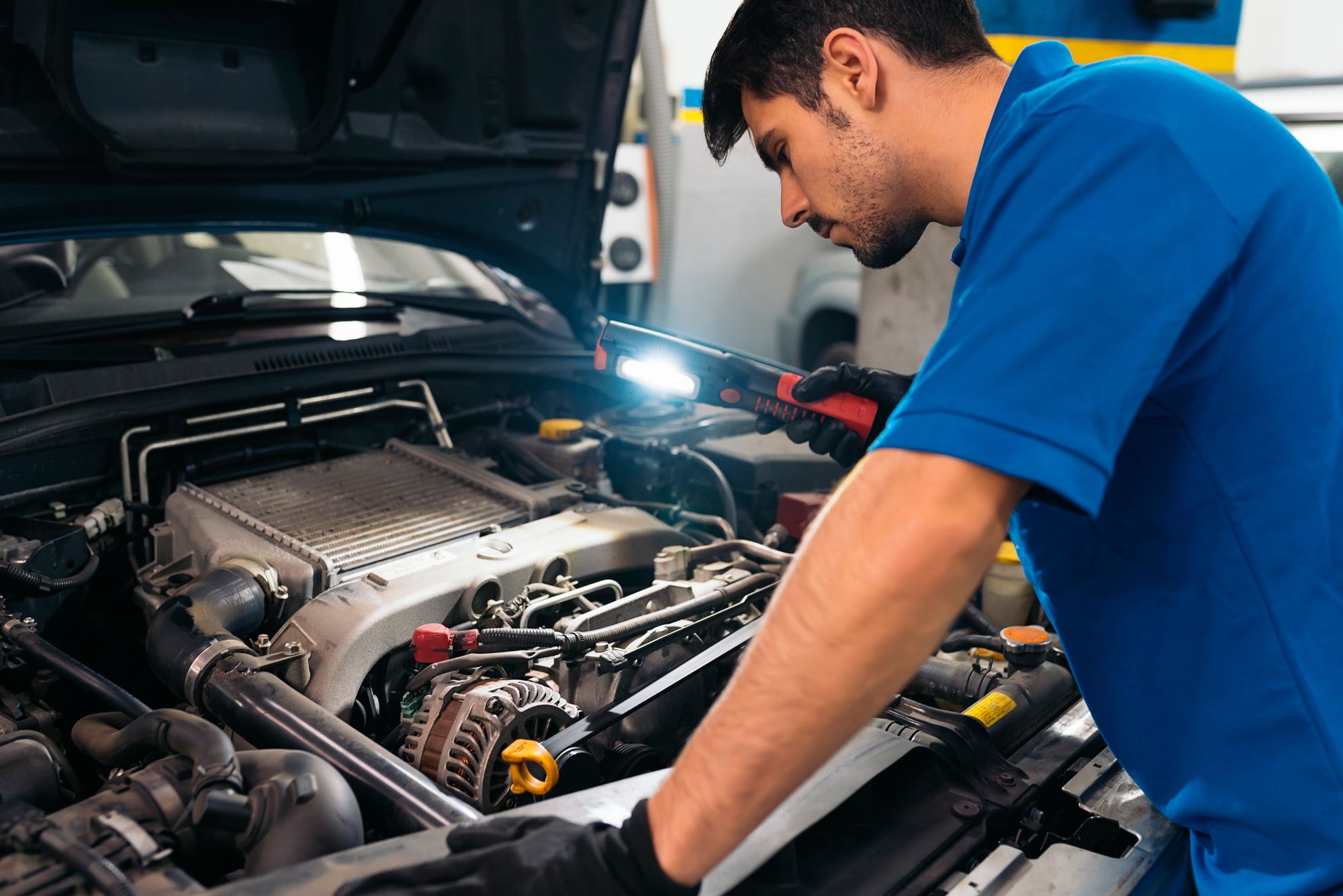
The time it takes to replace a water pump depends on your vehicle’s make and model, as well as the complexity of the engine layout. On average, a water pump replacement can take 2 to 6 hours.
In some cases, if the water pump is integrated with the timing belt or requires removal of additional components, the process may take longer. Planning for extra time ensures the job is done carefully and correctly, preventing potential issues and keeping your engine running smoothly.
Keep Your Engine Cool – Learn More About Water Pumps Today
Your car’s water pump may be small, but it plays a big role in keeping your engine cool and running smoothly. Understanding how it works, recognizing the signs of failure, and knowing when to replace it can save you from costly repairs and keep your vehicle performing at its best.
If you’re unsure about inspecting or replacing your water pump yourself, CarHub is here to help. Our team can handle water pump replacements and other maintenance tasks quickly and reliably, so you can drive with confidence.