
How Engine Braking Works: Benefits, Risks & When to Use It
Posted on December 29, 2025
How Does Engine Braking Work & When Should You Use It?

Engine braking is a driving technique that uses your vehicle’s engine to slow down instead of relying only on the brakes. By easing off the accelerator and downshifting, the engine helps control speed, reducing brake wear and creating smoother deceleration.
However, it must be used correctly to avoid putting extra strain on your drivetrain. This method is especially useful when driving downhill, towing, or carrying heavy loads, where steady control matters most.
In this blog post, we’ll explain how engine braking works, when to use it, and simple tips to help you drive more safely and extend the life of your brakes.
How Does Engine Braking Work?
Engine braking happens the moment you take your foot off the accelerator. When this happens, the throttle closes and limits the amount of air entering the engine. This creates a vacuum inside the cylinders, which reduces the engine’s power output and naturally begins to slow the vehicle down.
How Resistance Slows the Vehicle
As the engine speed (RPM) drops, resistance builds inside the engine and drivetrain. This resistance is transferred through the transmission and driveshaft to the wheels.
While a small portion of the deceleration comes from friction in the drivetrain, most of the braking force comes from the vacuum created by the reduced airflow.
Slowing Down Without Using the Brakes
The end result is controlled deceleration without pressing the brake pedal. Instead of relying on brake pads and rotors to slow the vehicle, the engine itself does the work. This not only helps maintain better control (especially on hills) but also reduces wear on your braking system.
How to Engine Brake
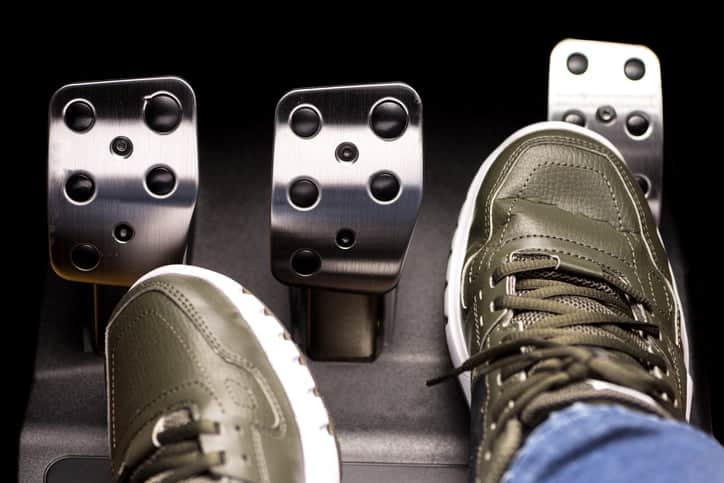
Engine braking is simple once you get the feel for it, and it works in both automatic and manual vehicles. The key is to let the engine help slow you down instead of relying completely on your brakes.
Here’s how to do it safely and effectively:
1. Release the accelerator to let the engine RPM drop and start natural deceleration.
2 . Downshift gradually to a lower gear to increase engine resistance and slow the vehicle more effectively.
3. Avoid sudden or forced downshifts to prevent jerking and unnecessary engine strain.
4. Use engine braking early on downhill roads to maintain a steady, controlled speed.
5. Combine with light brake use only when needed for added stopping power or full stops.
With a little practice, engine braking can become a smooth, natural part of your driving that improves safety and reduces wear on your brakes.
Types of Engine Brakes
Not all engine braking works the same way. Different systems create resistance in different parts of the engine or drivetrain to help slow a vehicle without relying fully on the foot brake.
Here are the three main types of engine brakes and how they work:
Compression Release Brakes (Jake Brakes)
Commonly known as Jake Brakes, these are mainly used in large diesel trucks and heavy-duty vehicles. This system releases the compressed air inside the engine cylinders at the right moment, preventing the engine from generating power and instead turning it into a strong braking force.
Jake Brakes are extremely effective for controlling speed on long downhill grades, but they’re also very loud—which is why their use is restricted in some areas.
Exhaust Brakes
Exhaust brakes work by restricting the flow of exhaust gases leaving the engine. This restriction creates back pressure inside the engine, increasing resistance and slowing the vehicle down.
Exhaust brakes are commonly found in diesel trucks, RVs, and towing vehicles. They are quieter than Jake Brakes and are especially useful when hauling heavy loads or descending steep hills.
Manual Downshifting (Using the Transmission)
This is the most common form of engine braking for everyday drivers. By downshifting into a lower gear, you increase engine RPM and resistance, which naturally slows the vehicle.
Manual downshifting works in both manual transmissions and automatics with manual mode. It’s ideal for controlling speed on declines, in traffic, or when towing—without putting extra strain on your brake pads.
Benefits of Engine Braking

Engine braking isn’t just about slowing down; it offers several practical advantages that improve safety, performance, and overall vehicle efficiency. When used correctly, it can make everyday driving smoother and more controlled.
Safety Advantages
Engine braking helps maintain better control of your vehicle, especially when driving downhill or in slippery conditions. Because the engine slows the wheels gradually, it reduces the risk of sudden braking that can cause skidding or loss of traction.
It also helps prevent brake overheating on long descents, keeping your braking system responsive when you need it most.
Reduced Brake Wear
By relying less on your brake pads and rotors, engine braking helps extend the life of your braking system.
Less frequent and less aggressive brake use means slower wear, fewer repairs, and lower maintenance costs over time. This is especially beneficial for drivers who regularly tow, carry heavy loads, or drive in hilly areas.
Fuel Efficiency Considerations
In many modern vehicles, engine braking can actually help save fuel. When you take your foot off the accelerator, most fuel-injected engines reduce or completely cut fuel delivery while decelerating.
This means you’re slowing down without burning extra fuel, especially compared to maintaining throttle input while braking.
Engine Braking vs. Regular Braking

Both engine braking and traditional braking are important for controlling your vehicle. Each method has its strengths and limitations and using them together can improve safety and efficiency.
Engine Breaking
Pros:
- Reduces brake wear and overheating
- Provides smoother control on downhill slopes
- Can save fuel in modern engines
Engine Breaking
Cons:
- Limited stopping power
- Can be noisy in heavy trucks
- Not suitable for all road conditions
Regular Engine Breaking
Pros:
- Offers precise stopping control
- Works in all driving situations
Regular Engine Breaking
Cons:
- Can overheat on long descents
- Requires more frequent maintenance and brake pad replacement
Key Takeaway: Use engine braking to control speed and maintain smooth handling and rely on regular brakes for full stops or rapid deceleration.
Improve Control on Hills and Protect Your Brakes
Engine braking is an easy yet effective way to slow your vehicle, reduce brake wear, and stay in control on hills or while towing. By learning when and how to use it, you can make driving safer and more efficient.
And remember, keeping your brakes and engine in top shape is just as important. CarHub’s Excellent Auto Care Service can help ensure your vehicle stays smooth, safe, and ready for every drive. Contact us now.
FAQs About Engine Braking: How It Works & When to Use It Safely
Engine braking is an essential technique that uses the engine to slow your vehicle, reducing reliance on friction brakes and enhancing vehicle control.
This section answers common questions about engine braking, including how it works, its benefits, best practices, and safety tips to help you use this method effectively and protect your vehicle’s service brakes.
What is engine braking, and how to use it?
Engine braking is a technique where you slow your vehicle by using the engine instead of pressing the brake pedal. To use it, take your foot off the accelerator and allow the engine to reduce RPM naturally.
For stronger braking, downshift to a lower gear gradually, which increases engine resistance and slows the vehicle more effectively.
Is it better to use engine braking?
Engine braking isn’t a replacement for regular brakes, but it is better in certain situations. It helps reduce brake wear, provides smoother control on descents, and can save a bit of fuel in modern vehicles. Using it alongside your brakes is the safest and most efficient approach.
What is the best use of engine braking?
Engine braking is most useful when driving downhill, towing or carrying heavy loads, or navigating slippery roads. It helps maintain steady speed and control without overheating your brakes.
What are the side effects of engine braking?
When used incorrectly, engine braking can strain the drivetrain or cause sudden jerks if downshifts are too abrupt. In heavy trucks, systems like Jake Brakes can also be noisy. It’s generally safe when used properly in the right conditions.
Do you feel the effects of engine braking?
Yes, you can feel the engine braking as a gradual slowing of the vehicle without pressing the brakes. In manual vehicles, you may also feel a slight increase in engine resistance when downshifting. It’s usually smooth and subtle compared to foot braking.